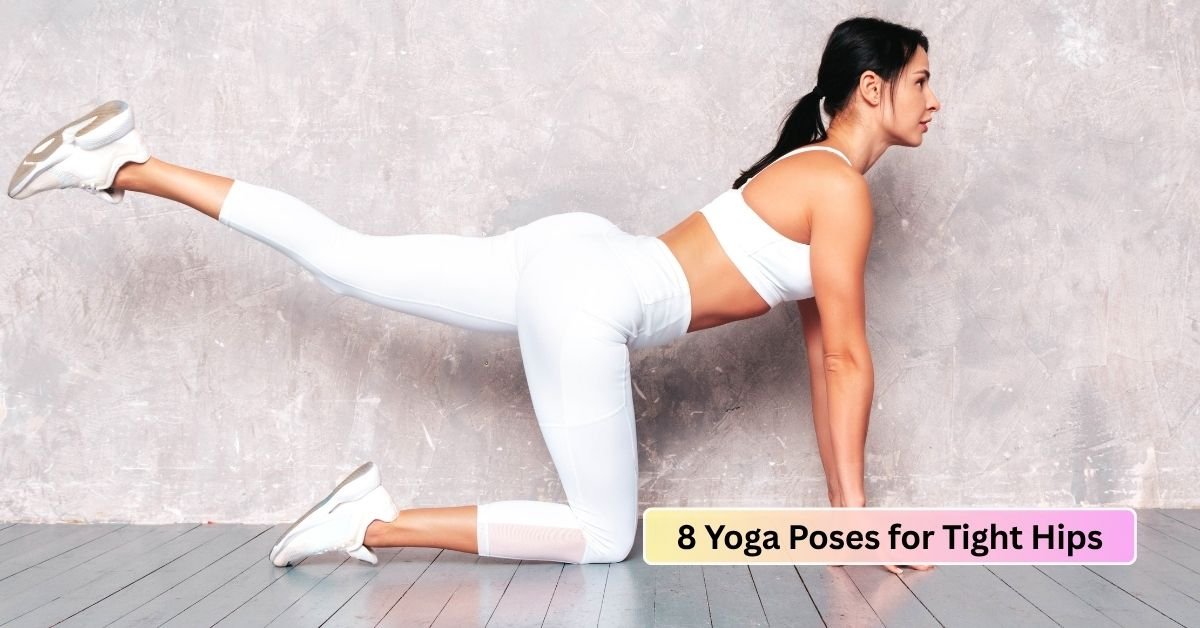
Tight hips don’t usually announce themselves with drama. They sneak in quietly after long commutes, desk jobs, back-to-back classes, school runs, gym sessions, and those “just five more minutes” phone-scroll positions that somehow become an hour. Then one day you bend down, squat, climb stairs, or try to sleep comfortably and think, wait, why does my lower back feel like concrete?
Because the hips sit right between your spine and legs, stiffness there can throw off almost everything. Your posture changes. Your walking pattern changes. Your knees and lower back start picking up work they were never meant to handle. The good news? A few targeted yoga poses, practiced consistently, can help restore mobility, ease tension, and make everyday movement feel smoother again.
Why Hips Become Tight
Most hip tightness comes from one very modern habit: sitting too much. When you sit for long periods, the hip flexors stay shortened, the glutes can become underactive, and the lower back often starts compensating. Over time, that can leave your hips feeling stiff, weak, or “locked.”
Yoga helps because it combines stretching, controlled breathing, body awareness, and gentle strengthening. The National Center for Complementary and Integrative Health notes that yoga may help improve flexibility, balance, and general physical function when practiced safely through its official guidance on yoga and health.
That said, hip-opening yoga should never feel like punishment. Deep stretching is not a contest. Mild discomfort is normal. Sharp pain, pinching, numbness, or joint pain is your cue to stop.
Best Yoga Poses for Tight Hips
| Yoga Pose | Main Target Area | Best For | Hold Time |
|---|---|---|---|
| Low Lunge | Hip flexors, quads | Desk workers and drivers | 30–60 seconds per side |
| Pigeon Pose | Glutes, outer hips | Deep hip tension | 30–90 seconds per side |
| Butterfly Pose | Inner thighs, groin | Gentle mobility | 1–2 minutes |
| Frog Pose | Groin, adductors | Advanced hip opening | 20–60 seconds |
| Seated Forward Fold | Hamstrings, lower back, hips | Posterior chain stretch | 30–90 seconds |
| Happy Baby Pose | Inner hips, lower back | Relaxation and decompression | 1–2 minutes |
| Garland Pose | Hips, ankles, groin | Squat mobility | 30–60 seconds |
| Reclining Figure-Four | Glutes, outer hips | Beginner-friendly release | 30–90 seconds per side |
1. Low Lunge, or Anjaneyasana
Low Lunge is one of the best yoga poses for people who sit for long hours. It stretches the hip flexors, especially the psoas, which can become tight from sitting at a desk, driving, or studying.
To do it, step one foot forward into a lunge and lower the back knee to the mat. Keep your front knee stacked over your ankle. Gently shift your hips forward while lifting your chest. You should feel the stretch through the front of the back hip and thigh.
Keep your core lightly engaged so you don’t collapse into your lower back. Hold for 30 to 60 seconds, then switch sides.
2. Pigeon Pose
Pigeon Pose is famous for a reason. It targets the glutes, outer hips, and deep hip rotators, which often get tight from sitting, running, cycling, or heavy lower-body workouts.
From a tabletop position, bring one knee forward toward the same-side wrist. Extend the opposite leg behind you. Keep your hips as level as possible and place a folded blanket under your front hip if you feel uneven or strained.
You can stay upright or fold forward over the front leg. Breathe slowly. This pose can feel intense, so don’t force your knee or hip into a shape your body isn’t ready for.
3. Butterfly Pose, or Baddha Konasana
Butterfly Pose is simple, accessible, and surprisingly effective. It opens the inner thighs, groin, and hips without requiring much strength or balance.
Sit tall with the soles of your feet together and your knees falling outward. Hold your feet or ankles, lengthen your spine, and let gravity do the work. Avoid bouncing your knees aggressively. That old-school “flap your legs fast” move? Not needed.
For a deeper stretch, gently hinge forward from the hips while keeping your back long. Hold for one to two minutes.
4. Frog Pose
Frog Pose is not the pose to rush into when your hips feel like rusty hinges. It is a deep inner-thigh and groin stretch, and it works best when you move slowly.
Start on all fours. Walk your knees wider apart, keeping your ankles in line with your knees. Lower onto your forearms if comfortable. Your hips should move back slightly, but only as far as your body allows.
Use padding under your knees. This one can be intense, especially for beginners. Stay for 20 to 60 seconds and come out slowly.
5. Seated Forward Fold
Seated Forward Fold stretches the hamstrings, lower back, and hips together. That matters because tight hips rarely act alone. The hamstrings and lower back often join the party.
Sit with your legs extended in front of you. Flex your feet gently and sit tall. As you exhale, hinge forward from your hips instead of rounding your upper back dramatically. Reach toward your shins, ankles, or feet.
You do not need to touch your toes. The goal is length, not ego. Hold for 30 to 90 seconds.
6. Happy Baby Pose
Happy Baby Pose is a gentle, relaxing hip opener that also helps release the lower back. It is especially useful at night, after workouts, or after a long day of sitting.
Lie on your back and draw your knees toward your chest. Hold the outside edges of your feet, ankles, or behind your thighs. Let your knees move toward your armpits while keeping your lower back relaxed on the floor.
You can gently rock side to side to massage the spine. This pose is calming, easy to modify, and great for beginners.
7. Garland Pose, or Malasana
Garland Pose is a deep squat that opens the hips, groin, and ankles. It also trains a movement pattern many adults lose over time: the ability to squat comfortably.
Stand with your feet slightly wider than hip-width, toes turned out a little. Bend your knees and lower your hips into a squat. Bring your palms together at your chest and use your elbows to gently press your knees outward.
If your heels lift, place a rolled towel or yoga block under them. Keep your chest lifted and breathe steadily. Hold for 30 to 60 seconds.
8. Reclining Figure-Four Stretch
This is the calmer cousin of Pigeon Pose. It targets the glutes and outer hips while keeping your spine supported on the floor, making it a smart choice for beginners or anyone with lower back sensitivity.
Lie on your back. Cross your right ankle over your left thigh. Thread your hands behind the left thigh and gently pull the leg toward your chest. Keep your right foot flexed to protect the knee.
Hold for 30 to 90 seconds, then switch sides. This stretch should feel deep but controlled.
How Often Should You Practice Hip-Opening Yoga?
Consistency matters more than intensity. Aim for three to five sessions per week, especially if you sit for long stretches. Even 10 minutes in the evening can make a noticeable difference over time.
Adults are also encouraged to include regular movement throughout the week. The CDC recommends aerobic activity and muscle-strengthening exercise as part of its official physical activity guidance for adults. Hip mobility work fits nicely around that routine, especially on rest days or after workouts.
A simple weekly approach could look like this:
| Day | Hip Mobility Plan |
|---|---|
| Monday | Low Lunge, Butterfly, Happy Baby |
| Wednesday | Reclining Figure-Four, Seated Forward Fold, Garland Pose |
| Friday | Low Lunge, Pigeon Pose, Happy Baby |
| Sunday | Gentle full routine, skipping any pose that feels too intense |
Benefits of Yoga for Tight Hips
Better hip mobility can improve how you walk, squat, sit, and train. Many people also notice less lower back tension because the pelvis and spine are no longer fighting stiff hip muscles all day.
The National Library of Medicine’s MedlinePlus explains that back pain can be influenced by muscles, posture, activity level, and movement habits through its public health information on back pain. Tight hips are not always the cause, but they can be one piece of the puzzle.
With regular practice, you may notice easier movement, better posture, improved athletic recovery, and less stiffness after long sitting periods. For working women, students, drivers, gym-goers, and anyone glued to a chair for half the day, that’s not a small win. That’s daily life feeling less creaky.
Safety Tips Before You Start
Warm up first. A short walk, gentle leg swings, or a few rounds of Cat-Cow can prepare your body before deeper stretches.
Do not force turnout in the knees. In poses like Pigeon, Butterfly, and Figure-Four, the stretch should come from the hip, not the knee joint. Use yoga blocks, pillows, or folded blankets whenever needed.
Anyone with hip replacement, serious arthritis, sciatica, recent injury, pregnancy-related pelvic pain, or chronic back pain should check with a qualified healthcare professional before doing deep hip openers. Yoga is helpful for many people, but it is not a replacement for medical care.
Tight hips are a side effect of modern life, but they do not have to become your normal. A steady yoga routine can help restore movement, reduce stiffness, and make your body feel more balanced from the ground up.
Start with the gentler poses. Breathe slowly. Use props without shame. And give your hips time. They did not tighten overnight, and they will not fully open in one heroic session either. But with a few focused minutes, repeated often, your body starts to remember what easy movement feels like.
FAQs
What is the best yoga pose for tight hips?
Low Lunge, Pigeon Pose, and Reclining Figure-Four are among the best yoga poses for tight hips. Low Lunge targets the hip flexors, while Pigeon and Figure-Four focus more on the glutes and outer hips.
How long does it take to loosen tight hips with yoga?
Many people feel temporary relief after one session, but lasting improvement usually takes several weeks of consistent practice. Aim for three to five short sessions per week.
Can tight hips cause lower back pain?
Tight hips can contribute to lower back discomfort by changing pelvic position and forcing the lower back to compensate. However, back pain can have many causes, so persistent pain should be checked by a healthcare professional.
Should hip-opening yoga hurt?
No. You may feel mild discomfort or a deep stretch, but sharp pain, pinching, numbness, or joint pain means you should stop or modify the pose.
Is yoga enough to fix tight hips?
Yoga can help improve flexibility and mobility, but strengthening the glutes, core, and legs is also important. A complete routine should include stretching, strength training, walking, and regular movement breaks.