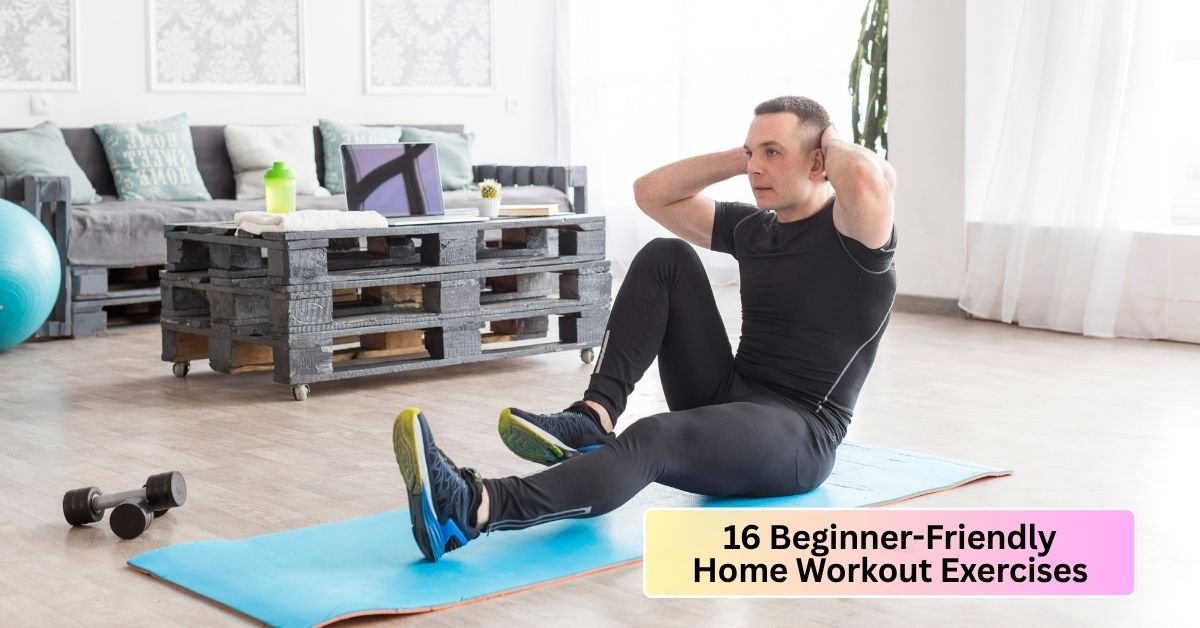
Home workouts have had their big public test already. During the Covid-19 years, living rooms became gyms, staircases became cardio machines, and plenty of people learned the same thing the hard way: you don’t actually need a monthly membership or a pile of expensive equipment to get fitter.
That doesn’t mean every home workout is automatically effective. Random jumping around for 20 minutes may make you sweat, sure, but a good routine should do more than that. It should raise your heart rate, strengthen your upper and lower body, train your core, and still feel realistic enough to repeat next week. That’s where bodyweight exercises earn their place. No dumbbells. No kettlebells. No fancy machines. Just your body, a bit of floor space, and some consistency.
How Long Should a Home Workout Be?
The right workout length depends on your goal, fitness level, and schedule. A beginner may start with 15 to 20 minutes, while someone with more experience may train for 30 to 45 minutes. Longer is not always better. A focused 25-minute session can beat an unfocused hour of half-effort movements.
For general health, the U.S. Department of Health and Human Services recommends at least 150 minutes of moderate-intensity aerobic activity per week, plus muscle-strengthening activities on two or more days, according to the official Physical Activity Guidelines for Americans.
Beginners should start slowly. Your joints, muscles, and lungs need time to adapt. Going too hard too soon is one of the fastest ways to feel sore, frustrated, or injured by Friday.
Best Beginner Home Workout Exercises
| Category | Exercises | Main Benefit |
|---|---|---|
| Cardio | Jumping jacks, burpees, high knees, stair climbing | Raises heart rate and burns calories |
| Upper body | Push-ups, tricep dips, Superman, shoulder taps | Builds arms, chest, shoulders, and back |
| Lower body | Squats, lunges, calf raises, glute bridges, wall sits | Strengthens legs, hips, and glutes |
| Core | Plank, mountain climbers, dead bug | Improves stability and posture |
Best Cardio Home Workouts
Cardio exercises raise your heart rate and improve how efficiently your body uses oxygen. The CDC notes that regular physical activity can support weight management, heart health, brain health, and lower the risk of chronic disease through its official physical activity guidance.
1. Jumping Jacks
Jumping jacks are simple, old-school, and still useful. Stand tall with your feet together and arms at your sides. Jump your feet outward while raising your arms overhead, then jump back to the starting position.
Start with 10 to 20 reps or 30 seconds. If jumping bothers your knees, step one foot out at a time instead of jumping.
2. Burpees
Burpees combine a squat, plank, push-up, and jump into one high-intensity movement. They work nearly the whole body and get your heart rate up fast.
Start in a squat, place your hands on the floor, step or jump back into a plank, lower into a push-up if possible, return to squat, then stand or jump. Beginners can skip the push-up and jump. Start with 3 to 5 reps, then build slowly.
3. High Knees
High knees are a fast cardio move that trains your legs, core, and coordination. Stand tall and quickly drive one knee toward your chest, then switch sides.
Try 20 to 30 seconds at a time. Keep your chest lifted and land softly. For a low-impact version, march in place with strong knee lifts.
4. Stair Climbing
A staircase can become one of the best no-equipment cardio tools at home. Walk up and down at a steady pace for 5 to 10 minutes to start. As your fitness improves, increase the time or add short faster intervals.
Hold the railing if needed. Don’t rush downhill, because that is where slips often happen.
Upper Body Exercises You Can Do at Home
Upper body training helps with daily tasks like carrying groceries, lifting bags, pushing doors, and keeping better posture. It also supports muscle and bone strength, which becomes even more important with age.
5. Push-Ups
Push-ups train the chest, shoulders, triceps, and core. Begin in a plank position with your hands under your shoulders. Lower your chest toward the floor, then press back up.
Beginners can do push-ups from the knees or with hands elevated on a sofa or sturdy table. Start with 5 to 10 reps.
6. Tricep Dips
Sit on the edge of a stable chair. Place your hands beside your hips, fingers forward. Walk your feet slightly out, lower your body by bending your elbows, then press back up.
Keep your shoulders away from your ears and move slowly. Start with 5 to 8 reps. Avoid this exercise if it causes shoulder pain.
7. Superman
The Superman exercise targets the back, glutes, and hamstrings. Lie face down with arms extended forward. Gently lift your arms and legs off the floor, hold for 1 to 2 seconds, then lower.
Keep your neck neutral. Don’t jerk upward. Start with 5 to 10 reps.
8. Plank Shoulder Taps
Start in a high plank. Tap your left shoulder with your right hand, place it down, then tap your right shoulder with your left hand. Try not to let your hips rock side to side.
This move builds shoulder stability and core control. Start with 10 total taps.
Lower Body Home Workouts
Your lower body includes some of the biggest muscles in your body: glutes, quads, hamstrings, and calves. Training them supports balance, walking, climbing stairs, and overall strength.
9. Squats
Stand with feet slightly wider than hip-width. Push your hips back, bend your knees, lower your body, then press through your heels to stand.
Keep your chest lifted and knees tracking in the same direction as your toes. Start with 8 to 12 reps.
10. Lunges
Stand tall, step one foot forward, and lower until both knees bend. Push through the front heel to return to standing. Switch sides.
If forward lunges feel wobbly, try reverse lunges instead. Start with 6 to 10 reps per side.
11. Calf Raises
Stand tall with feet hip-width apart. Lift your heels until you are on the balls of your feet, pause briefly, then lower slowly.
Use a wall or chair for balance. Start with 10 to 20 reps.
12. Glute Bridges
Lie on your back with knees bent and feet flat on the floor. Press through your heels and lift your hips until your body forms a straight line from shoulders to knees. Lower with control.
This exercise strengthens the glutes and can help counter long sitting. Start with 10 to 15 reps.
13. Wall Sit
Stand with your back against a wall and slide down until your knees are bent, ideally around 90 degrees. Hold the position while keeping your back against the wall.
Start with 15 to 30 seconds. Your thighs may burn. That’s normal. Sharp knee pain is not.
Core Exercises for Home Workouts
Your core is not just your abs. It includes muscles around your trunk, pelvis, and lower back. A stronger core helps with posture, balance, and safer movement.
14. Plank
Place your forearms on the floor, elbows under shoulders, and extend your legs behind you. Keep your body in a straight line from head to heels.
Start with 15 to 30 seconds. Don’t let your hips sag.
15. Mountain Climbers
Start in a high plank. Drive one knee toward your chest, return it, then switch sides. Move slowly at first, then increase speed as you improve.
Mountain climbers combine cardio and core training. Try 20 to 30 seconds.
16. Dead Bug
Lie on your back with arms up and knees bent at 90 degrees. Slowly lower your right arm and left leg toward the floor, then return. Repeat on the other side.
Keep your lower back gently pressed into the floor. Start with 6 to 10 reps per side.
A Simple 20-Minute Beginner Home Workout
| Round | Exercise | Time or Reps |
|---|---|---|
| Warm-up | Marching in place, arm circles, gentle squats | 3 minutes |
| 1 | Squats | 10 reps |
| 2 | Push-ups | 5–10 reps |
| 3 | Glute bridges | 12 reps |
| 4 | High knees | 30 seconds |
| 5 | Plank | 20–30 seconds |
| 6 | Lunges | 8 reps per side |
| 7 | Superman | 10 reps |
| 8 | Jumping jacks | 30 seconds |
| Cooldown | Stretching and slow breathing | 3 minutes |
Repeat the main circuit once or twice depending on your fitness level. Rest 30 to 60 seconds between exercises.
Safety Tips Before You Start
Warm up before every workout. Even three minutes of marching, arm swings, hip circles, and gentle squats can help your body prepare.
Move with control. Fast, sloppy reps don’t make an exercise better. They usually just make it riskier.
The National Library of Medicine’s MedlinePlus recommends choosing physical activities that match your fitness level and checking with a healthcare professional if you have health concerns through its public resource on exercise and physical fitness.
Also, listen to your body. Muscle fatigue is expected. Sharp pain, dizziness, chest pain, or unusual shortness of breath is not something to “push through.”
You can build a strong, balanced fitness routine at home without equipment. The trick is not finding the hardest exercise on the internet. It is choosing movements you can repeat safely and gradually making them more challenging.
Start with 15 to 20 minutes, three days a week. Add time, reps, or extra rounds as your body gets stronger. Keep it simple. Cardio, upper body, lower body, core, recovery. That’s the formula. No fancy gym bag required.
FAQs
Can I get fit with home workouts only?
Yes. You can improve strength, endurance, mobility, and overall fitness with home workouts, especially if you train consistently and increase difficulty over time.
How many days a week should beginners work out at home?
Beginners can start with three days per week. As strength and stamina improve, four to five days can work well with proper rest.
Do I need equipment for home workouts?
No. Bodyweight exercises like squats, push-ups, lunges, planks, and glute bridges can build fitness without equipment.
Are home workouts good for weight loss?
Home workouts can support weight loss by burning calories and building muscle. Nutrition, sleep, and daily movement also play major roles.
What is the best home workout for beginners?
A full-body routine with squats, push-ups, glute bridges, planks, lunges, and light cardio is a good beginner-friendly starting point.